
- June 23, 2026
- Posted by: nzeNetNuThem
- Category: public
Exploring the psychological triggers behind gambling behavior
The Nature of Gambling Addiction
Gambling addiction is a complex psychological issue that transcends mere enjoyment of gaming. It often stems from underlying emotional and psychological vulnerabilities. Many individuals who develop gambling problems are seeking an escape from stress, anxiety, or depression, using gambling as a temporary relief. The thrill of winning can temporarily alleviate negative feelings, reinforcing the behavior and creating a cycle that is difficult to break. This cycle can lead to significant financial, emotional, and social consequences for the individual. Resources for improving awareness can be found at https://croftgardenrooms.co.uk, empowering individuals to understand their behaviors better.
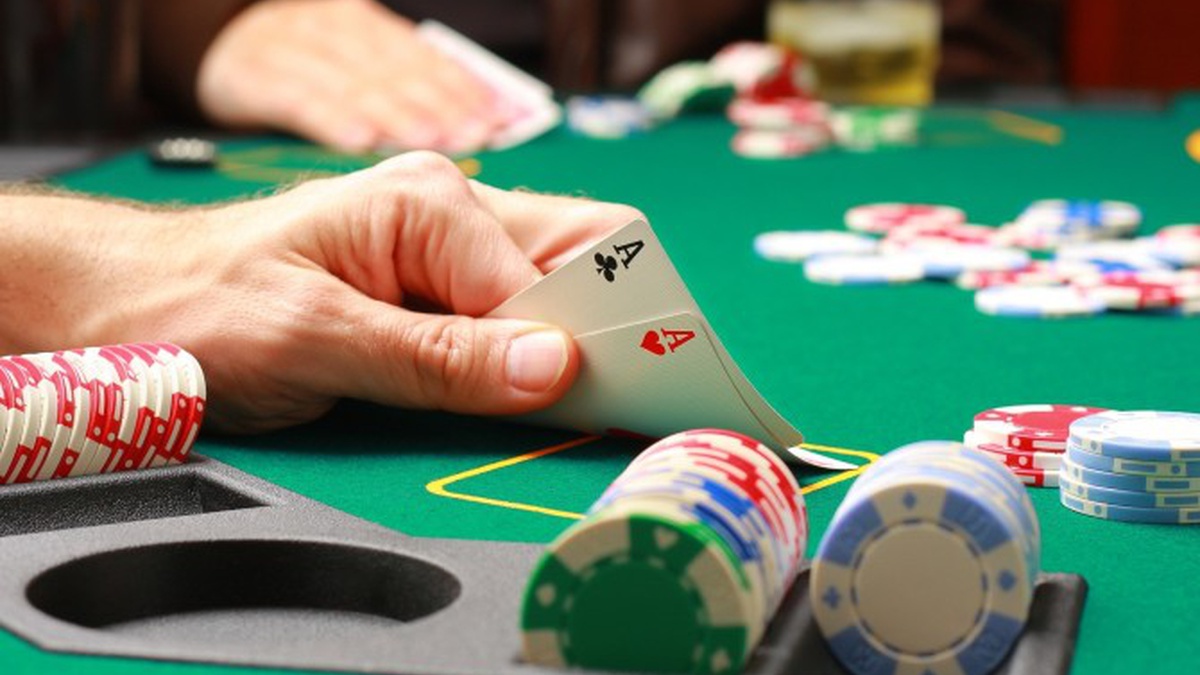
Moreover, the nature of gambling itself often stimulates the brain’s reward system, much like substance abuse. When individuals gamble, the anticipation of winning releases dopamine, a neurotransmitter associated with pleasure. This biochemical response can create an addictive cycle, as individuals chase the high of a win, often ignoring the detrimental impacts of their behavior. Such patterns are often compounded by cognitive distortions, where individuals misinterpret their chances of winning or believe they can control outcomes through skill or luck.
Understanding the psychological triggers behind gambling addiction requires a multifaceted approach that considers personal history, environmental factors, and social influences. Many gamblers may have a history of impulsivity or risk-taking behavior, making them more susceptible to addiction. Furthermore, exposure to gambling at a young age can normalize the behavior, embedding the idea that gambling is a viable means of achieving financial gain or social status, making the prospect increasingly attractive over time.
The Role of Emotional Triggers
Emotional triggers play a significant role in gambling behavior, with many individuals using gambling as a coping mechanism for stress or emotional distress. Individuals often turn to gambling when experiencing negative emotions like loneliness, anxiety, or anger. The thrill of betting can momentarily distract from these feelings, providing a false sense of control and a temporary escape from reality. However, this avoidance behavior ultimately leads to deeper emotional issues and reinforces the gambling cycle.
Additionally, emotional highs and lows can exacerbate gambling tendencies. For example, after a significant loss, an individual may feel compelled to gamble again to recover their losses, believing they can turn their luck around. This mindset can lead to chasing losses, a common behavior among gamblers, where the individual bets more and more to recoup previous losses, leading to further financial ruin and emotional distress.
Moreover, positive life events can also act as triggers for gambling. Celebrations, promotions, or other joyous occasions can drive individuals to gamble as a means of reinforcing their happiness or as a reward for success. This can create a dangerous pattern where gambling becomes intertwined with emotional highs, making it more challenging to recognize when the behavior becomes problematic.
The Influence of Social Factors
Social factors significantly impact gambling behavior, as individuals often gamble in groups or under social pressures. Peer influence can play a large role; if an individual’s friends or family members are involved in gambling, the individual may be more likely to participate, viewing it as a normal or accepted behavior. This social normalization can lead to increased gambling frequency, particularly among younger individuals who are still shaping their attitudes toward risk and reward.
The social environment can also impact the types of gambling people engage in. For instance, attending social events at casinos or parties where gambling is present can lead to increased participation, often without a full understanding of the risks involved. The social aspect can enhance the excitement of gambling, further embedding the behavior as a source of social interaction and entertainment, making it harder for individuals to recognize when their gambling habits become harmful.
Additionally, the rise of online gambling has expanded social dynamics around gambling. Online platforms allow individuals to gamble in social contexts, with multiplayer games and social features promoting engagement. While this can create a sense of community, it can also lead to increased risk as individuals may feel less accountable for their behavior when gambling anonymously. This can exacerbate existing issues and create new challenges for those struggling with gambling addiction.
Psychological Mechanisms Behind Gambling Decisions
Various psychological mechanisms drive gambling decisions, with cognitive biases playing a crucial role. For example, the illusion of control leads individuals to believe they can influence outcomes in games of chance, such as slot machines or roulette. This belief can be particularly pronounced in skill-based games like poker, where players may think their abilities give them an edge. Such cognitive distortions create a false sense of confidence that keeps individuals gambling, often despite the odds stacked against them.
Another significant psychological mechanism is the concept of near-misses. When a player almost wins—seeing two out of three required symbols on a slot machine, for instance—they may feel encouraged to continue gambling, interpreting the near miss as a sign that a win is imminent. This type of feedback can reinforce gambling behavior, making individuals more likely to risk additional money in hopes of achieving that long-desired jackpot, despite the fact that near-misses do not increase the probability of winning.
Additionally, the concept of variable reinforcement is crucial in understanding gambling behaviors. Just as in other forms of addiction, the unpredictable nature of wins leads to a heightened sense of excitement. Gamblers are rewarded sporadically, which can create a powerful drive to continue betting. This unpredictability fosters anticipation and engagement, making it difficult for individuals to walk away, often leading to increased gambling frequency and intensity over time.

Understanding Gambling Platforms and User Behavior
Online gambling platforms, such as those offering a wide range of gaming experiences, have drastically changed how individuals engage with gambling. These platforms provide a seamless, accessible way for users to gamble at any time, which can exacerbate addictive behaviors. The convenience of being able to gamble from home or on mobile devices diminishes the barriers that traditionally existed with physical casinos, making it easier for individuals to engage in unhealthy gambling behaviors without awareness.
Moreover, many online platforms utilize sophisticated algorithms and marketing strategies that capitalize on psychological triggers. By employing techniques like targeted advertisements and gamification, these platforms can create a sense of urgency and excitement around their offerings. This not only enhances user engagement but also increases the likelihood of impulsive gambling, as players feel compelled to act quickly to seize perceived opportunities.
In addition, features such as bonuses and free spins can entice new users while simultaneously encouraging existing players to keep gambling. While these promotions may seem harmless, they can lead individuals to spend more time and money on gambling than they intended, as players are drawn into the excitement of potential rewards. Therefore, understanding these dynamics is essential for recognizing the psychological triggers that fuel gambling behavior, helping individuals make more informed choices about their gambling activities.